A Holiday Rental Licence Is Only the Starting Point
Owning a tourist licence is only one part of operating a legal holiday rental in Spain. Before advertising a property, owners should check three separate layers of regulation: the rules of their autonomous community, the planning and licensing requirements of the local town hall, and any restrictions affecting the building or community of owners. There is no single Spanish holiday-rental licence covering the whole country. Andalucía, Valencia, the Canary Islands, the Balearics, Madrid and Spain's other autonomous communities regulate tourist accommodation differently, while municipalities can introduce additional planning restrictions. In Andalucía, for example, municipal authorities can restrict tourist accommodation within particular buildings, neighbourhoods, areas or zones where the necessary legal justification exists. A property appearing in a regional tourism register should therefore not automatically be taken as proof that every other legal or planning requirement has been satisfied.
If you are checking a specific property, you can search a registration number or read how our licence search works.

Check the Property, Not Just the Registration Number
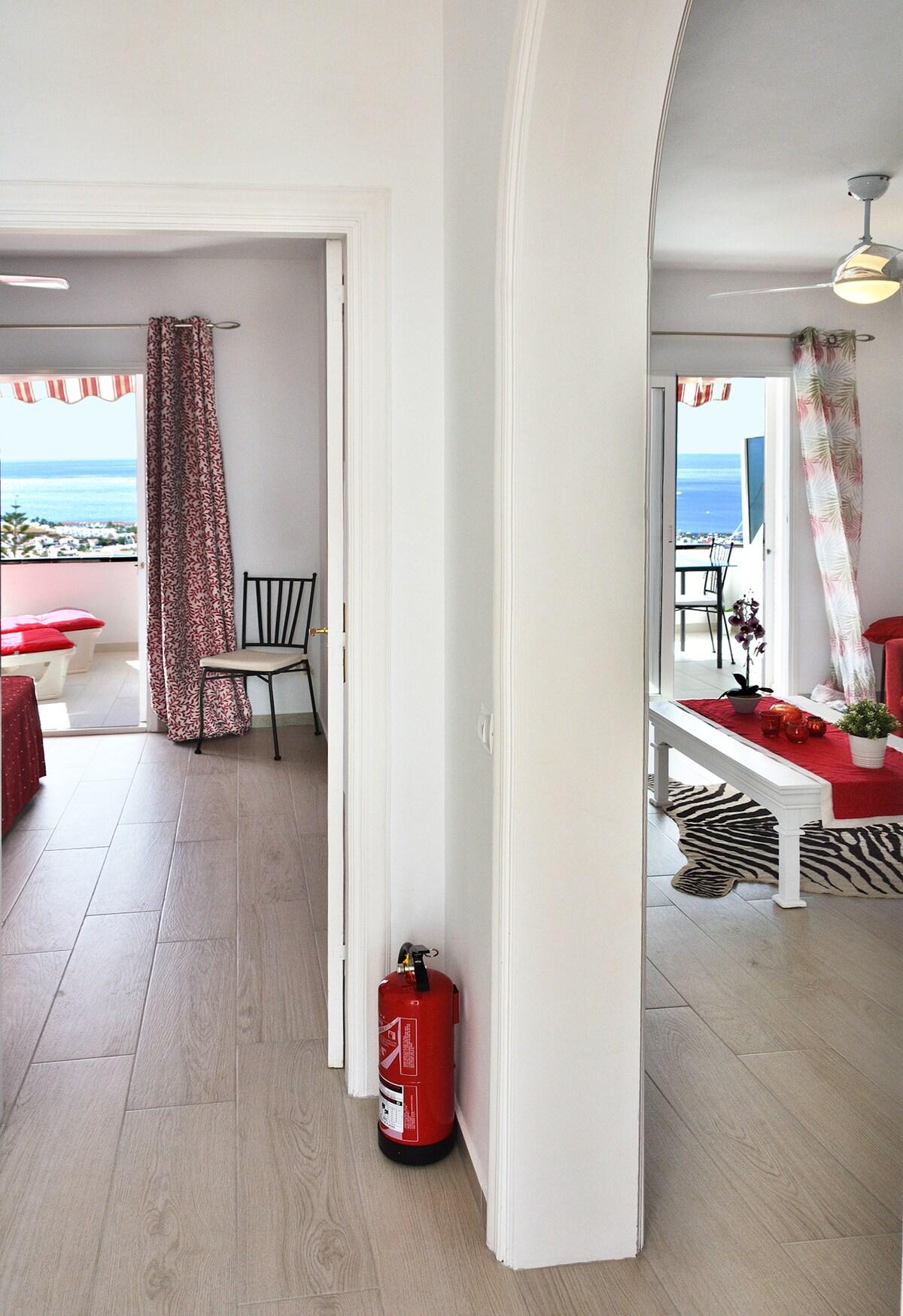
The property itself should be checked before the first guest is accepted. Requirements vary between regions and can be considerably more detailed than owners initially expect. Andalucía provides a useful example. Its rules include requirements covering minimum property and room sizes, ventilation, temperature control, bathroom provision, beds and mattresses, replacement bed linen, kitchen equipment, waste facilities and guest information. Safety requirements can include equipment such as smoke detectors and fire extinguishers. Operators may also need to provide a contact telephone number, make complaint forms available and inform guests about matters such as community rules, noise restrictions, refuse arrangements and the use of communal facilities. These apparently small requirements demonstrate why obtaining a tourism registration number should be considered the beginning of the compliance process rather than the end.
Check the Community of Owners Before You Rent – or Buy
Properties forming part of a community of owners require an additional level of investigation. Changes to Spain's Horizontal Property Law that took effect on 3 April 2025 mean that an owner wishing to commence tourist-rental activity will generally need prior express approval from the community of owners, requiring three-fifths of the total owners who also represent three-fifths of the participation quotas. Different considerations can apply to properties that were already legally carrying out holiday-rental activity before the change, making the history of the property important. Buyers should therefore obtain and check the community statutes and relevant meeting records rather than relying solely on information supplied by an estate agent, seller or neighbour. Anyone purchasing specifically for holiday-rental purposes should investigate the community position before committing to the purchase.
Related reading: can a community of owners restrict holiday rentals? and questions to ask before buying a holiday-rental property.
Guest Registration Is a Separate Responsibility
Guest registration is another area that can easily be overlooked. Accommodation providers in Spain are subject to guest-information and reporting requirements under national legislation, separate from the tourism licensing system. Details concerning guests and stays have to be collected and communicated through the appropriate system within the required timescale. Owners should therefore establish their guest-registration procedure before taking bookings rather than discovering the requirement when their first guests arrive. This is particularly important for private owners who may assume that obligations applying to hotels or professional accommodation companies do not also affect privately operated holiday rentals.
Treat Compliance as an Ongoing Process
Holiday-rental compliance should be reviewed regularly rather than treated as a one-off exercise. Registration information should correspond with the actual property, its authorised capacity and its operator. Owners should continue checking local planning rules, community restrictions, guest-registration procedures, insurance, safety equipment and advertising requirements. Rules can and do change. Spain's short-term rental regulatory framework has undergone significant changes since 2024 and 2025, including subsequent court decisions affecting parts of national short-term rental registration legislation. Owners should therefore be particularly cautious about relying on old articles, social-media posts or checklists without checking whether the information remains current.
You can also compare a listing against a registration record using our advert comparison guide, or browse all holiday-rental guides.